Lucius Domitius Aurelianus, known as Aurelian, was a soldier-emperor whose brief five-year reign saved the Roman Empire from total collapse during the Crisis of the Third Century. Earning the title 'Restitutor Orbis' (Restorer of the World), he defeated the Vandals, Alamanni, and Goths, and most notably reunited the empire by conquering the breakaway Palmyrene Empire and the Gallic Empire. A strict disciplinarian and a devout follower of Sol Invictus, he began the construction of the massive Aurelian Walls around Rome. He represents the transition of the Roman ruler from a first citizen to a divinely sanctioned autocrat. His appearance is that of a tough, no-nonsense Illyrian soldier with a short military haircut and a stern expression, reflecting the iron will necessary to hold a crumbling world together through sheer force of arms.
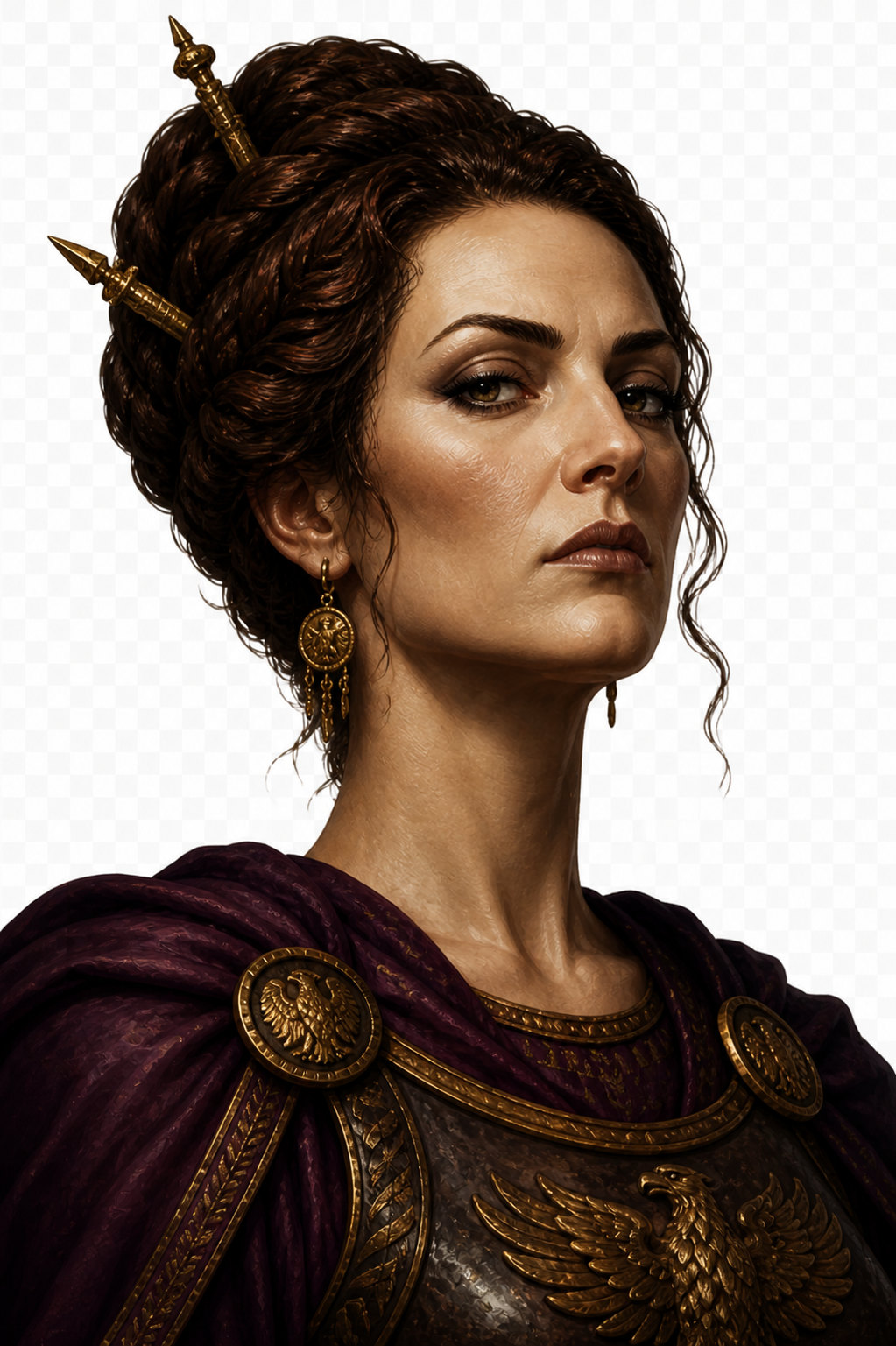
Fulvia was one of the most powerful and politically active women in the late Roman Republic. As the wife of Mark Antony, she played a central role in the political maneuvers following the assassination of Julius Caesar. Fulvia was the first non-mythological Roman woman to have her face appear on coins, signaling her unprecedented influence. She was known for her fierce temperament and political ambition, even raising legions to defend Antony’s interests in Italy during the Perusine War. Roman historians, often biased against powerful women, described her as a woman who wished to command the commanders. She represents the hidden power structures of Rome, where matrons influenced the fate of the Republic. Her depiction showcases the sophisticated hairstyles of the Roman elite and an expression of sharp intelligence and unwavering determination.
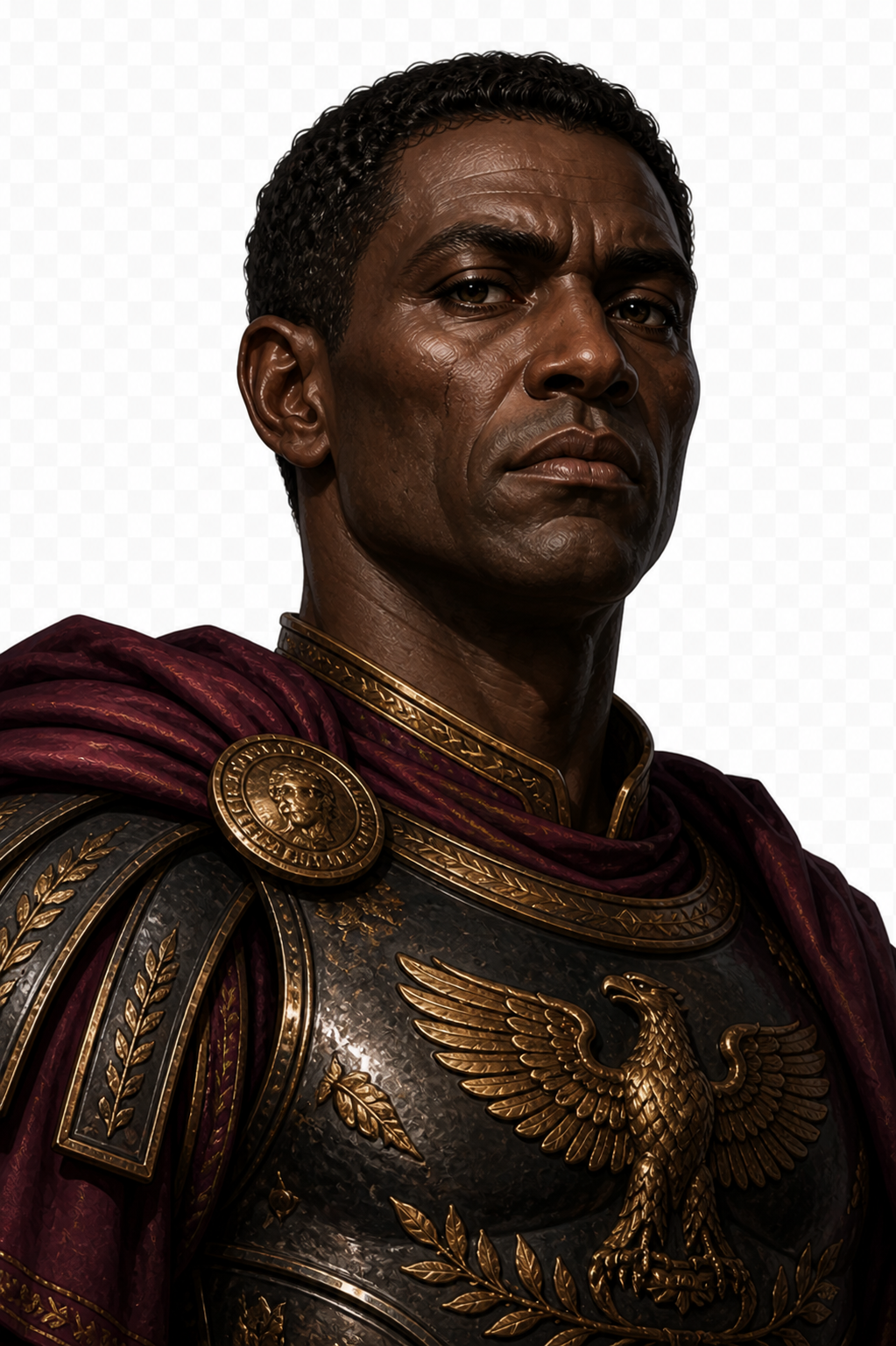
Lusius Quietus was a brilliant Roman general and governor of Judea of Moorish origin. Originally a tribal chieftain from North Africa, he rose to become one of Emperor Trajan's most trusted commanders. Leading a specialized unit of Moorish light cavalry, he played a decisive role in the Parthian Wars and the suppression of the Kitos War. He was even considered a potential successor to the imperial throne, a testament to his incredible skill and the relative meritocracy of the Roman military hierarchy. Lusius represents the multi-ethnic nature of the Roman Empire, where a provincial leader could rise to the highest echelons of power. Visually, he is distinctive for his North African features and the unique attire of his Moorish scouts, blending Roman military status with his desert heritage.
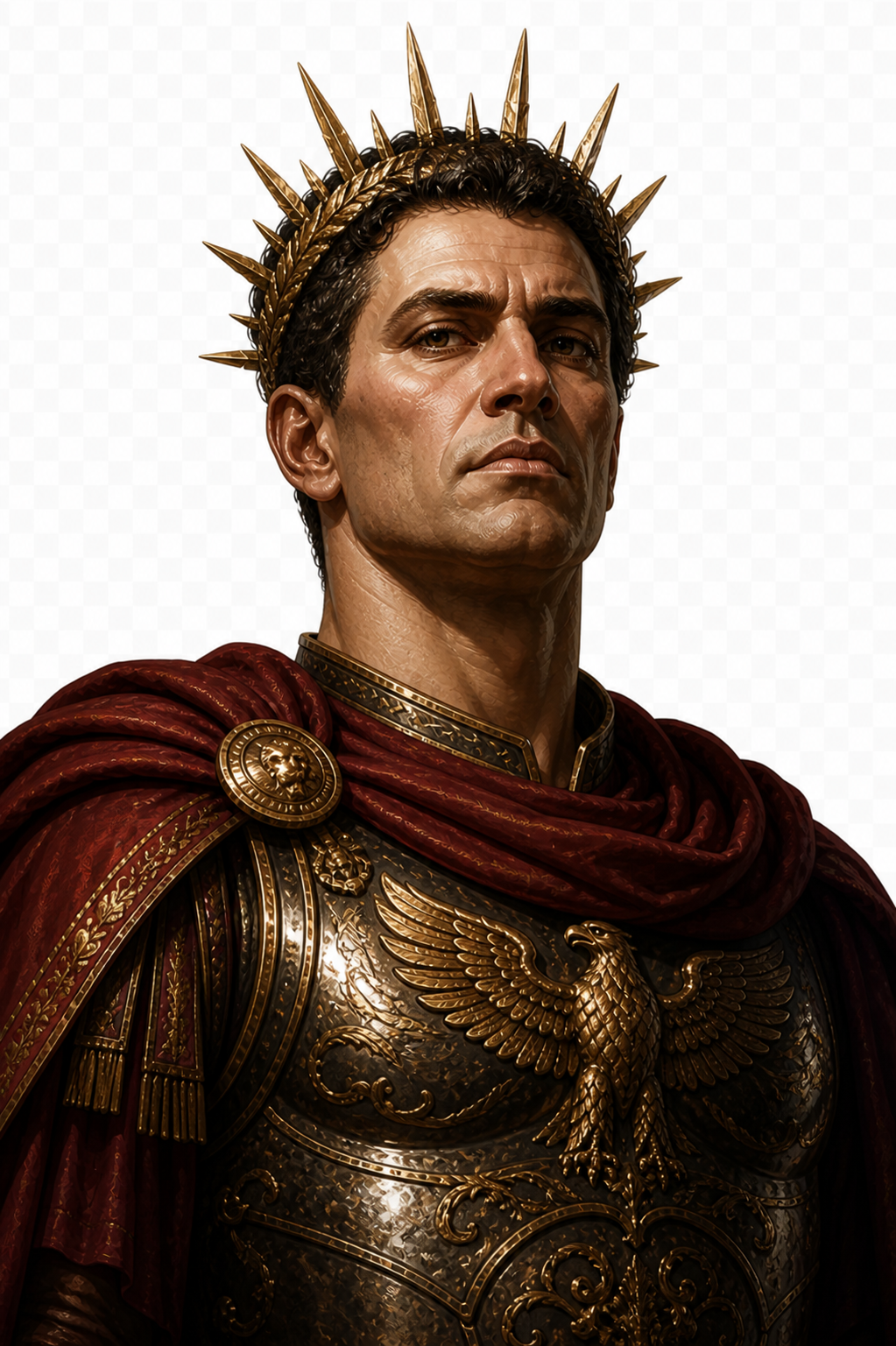
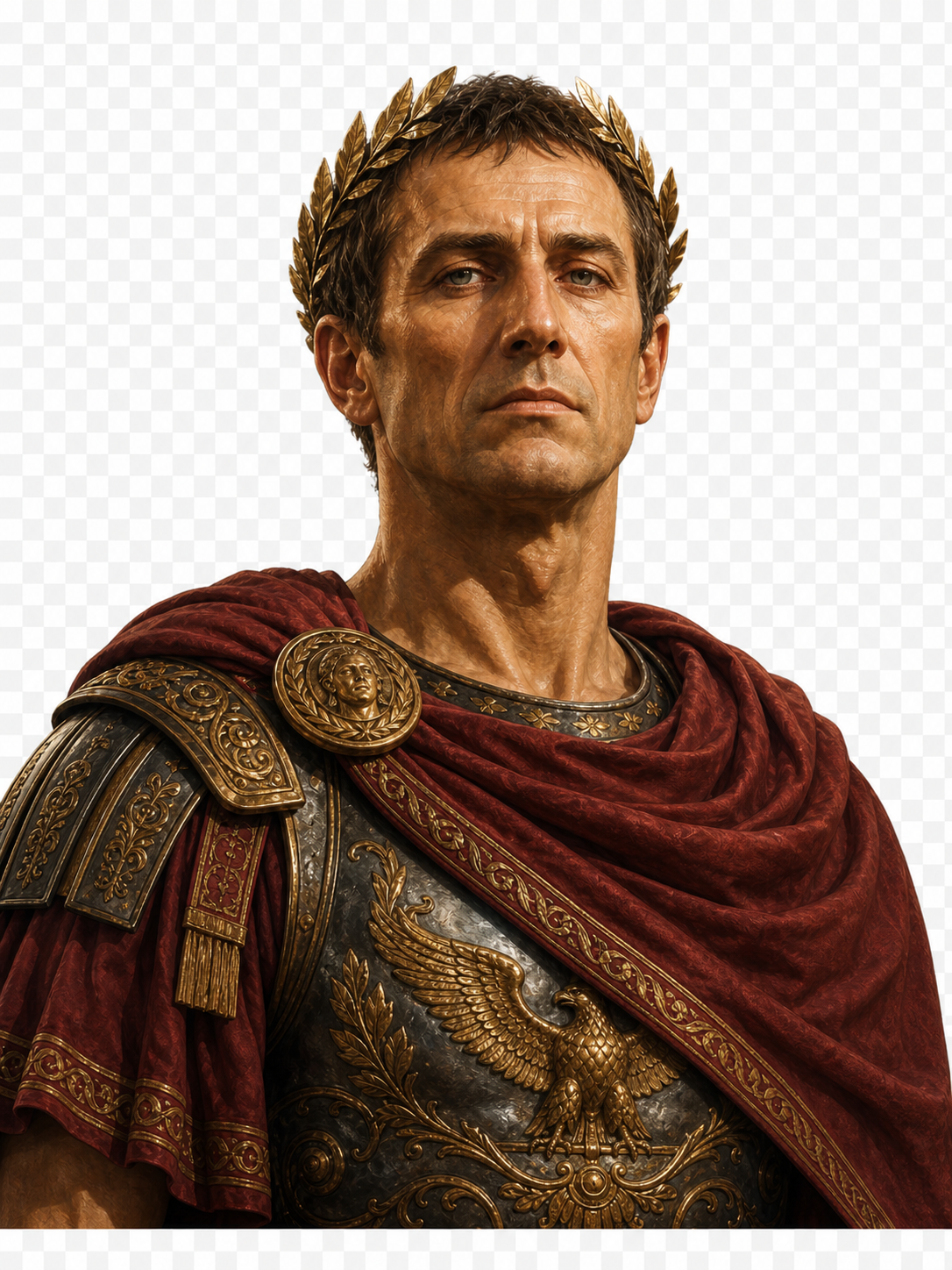
Gaius Julius Caesar is perhaps the most famous figure in Roman history, a brilliant general, statesman, and orator who fundamentally altered the course of Western civilization. Through his conquest of Gaul, he expanded the Roman world to the Atlantic and paved the way for the transformation of the Republic into the Empire. His tactical brilliance at battles like Alesia and Pharsalus remains a subject of study to this day. Beyond the battlefield, Caesar was a master of political branding and populism. His assassination on the Ides of March sparked a series of civil wars that eventually led to the reign of Augustus. He is typically depicted with a thinning hairline covered by a laurel wreath and a face that shows both the weariness of war and the sharp, calculating mind of a political titan.
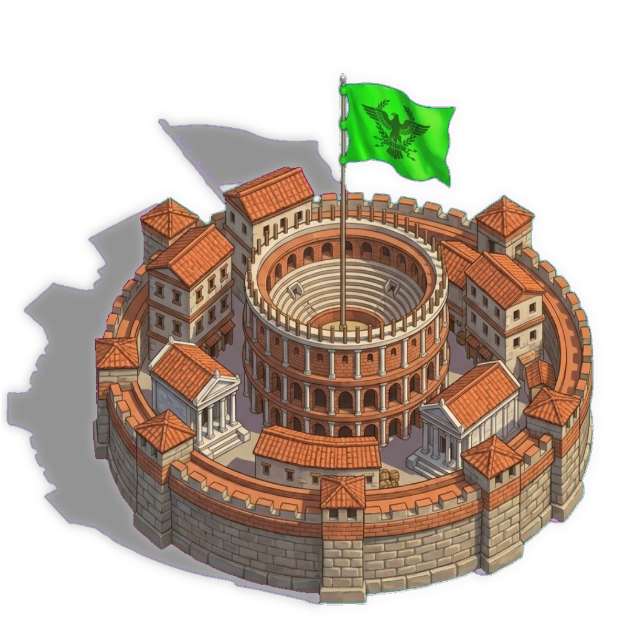
Skill bonus do budowania murow podczas bitwy
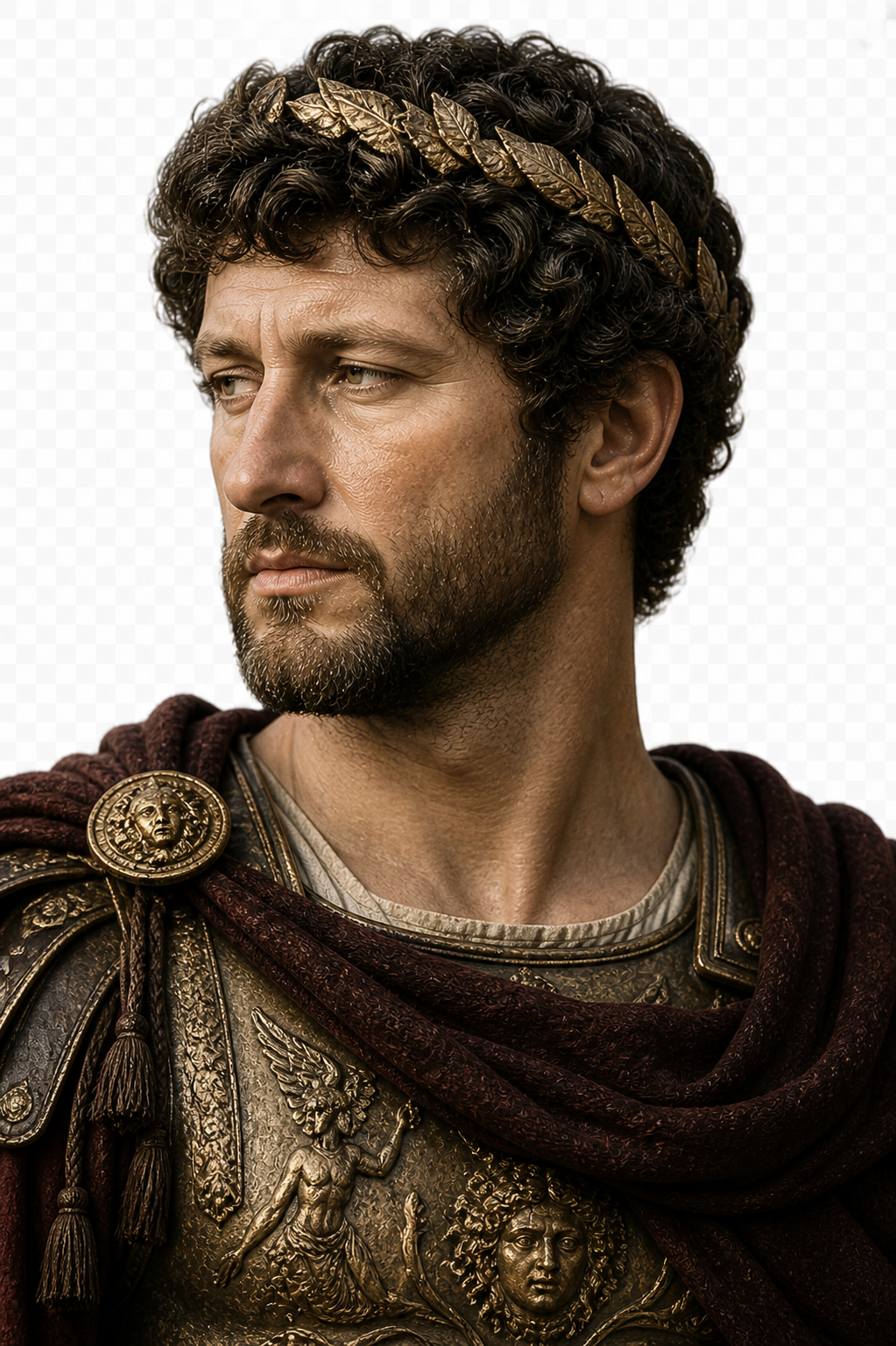
Hadrian was the third of the 'Five Good Emperors,' known for his extensive travels throughout the empire and his shift from expansion to consolidation. He is most famous for the construction of Hadrian’s Wall in Britain, a massive stone barrier designed to separate the civilized Roman world from the 'barbarian' tribes of the north. A deep admirer of Greek culture, Hadrian was the first emperor to wear a full beard, a fashion choice that broke centuries of Roman tradition and symbolized his identity as a philosopher and Hellenophile. His reign was marked by artistic flourishing, monumental architecture like the Pantheon, and a focus on administrative stability. His character represents the sophisticated, intellectual side of Roman leadership, characterized by a refined, thoughtful expression and a deep connection to the arts and architecture.
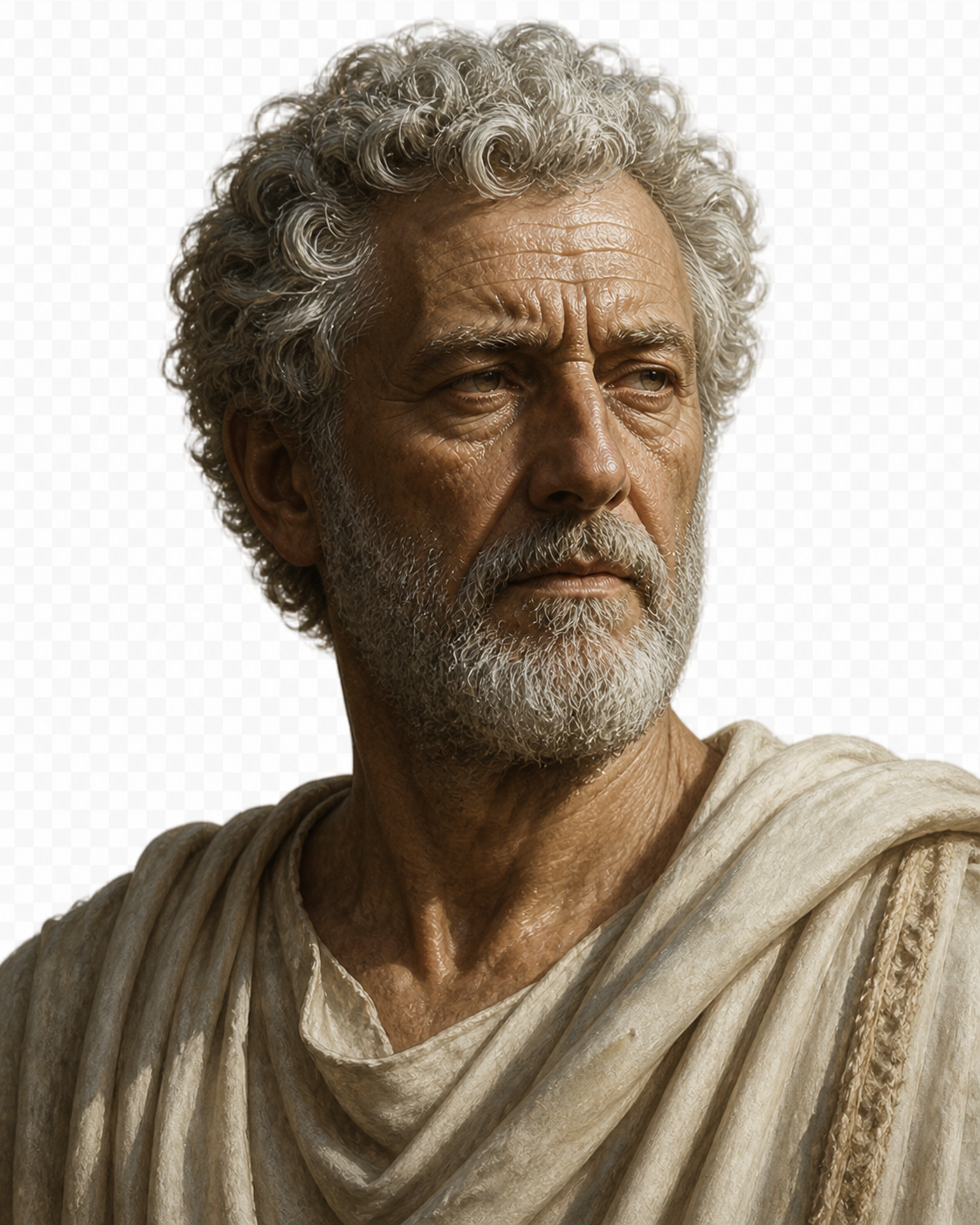
Marcus Aurelius was the last of the 'Five Good Emperors' and a renowned Stoic philosopher whose personal writings, the 'Meditations,' remain a cornerstone of Western thought. His reign was dominated by constant warfare against the Germanic tribes on the Danube and a devastating plague that swept through the empire. Despite his preference for philosophy and study, he proved to be a competent and resilient military commander, spending much of his later life on the front lines. He represents the ideal of the 'Philosopher King'—a ruler who governed with justice and duty despite personal hardship and the pressures of a world in decline. His portraits are famous for their soulful, heavy-lidded eyes and a majestic, curled beard, conveying a sense of profound wisdom, duty-bound sadness, and inner peace.
 1
1 3
3
 1
1
 1
1 1
1