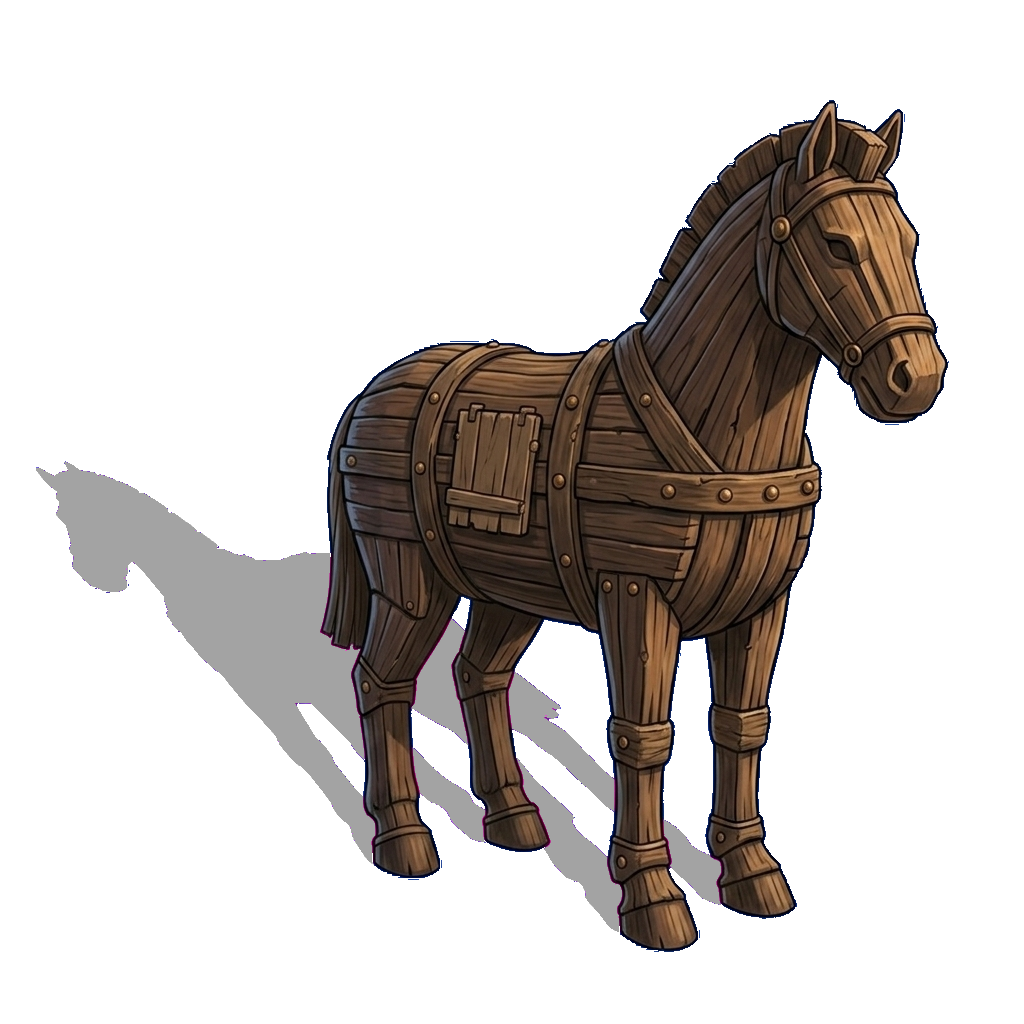
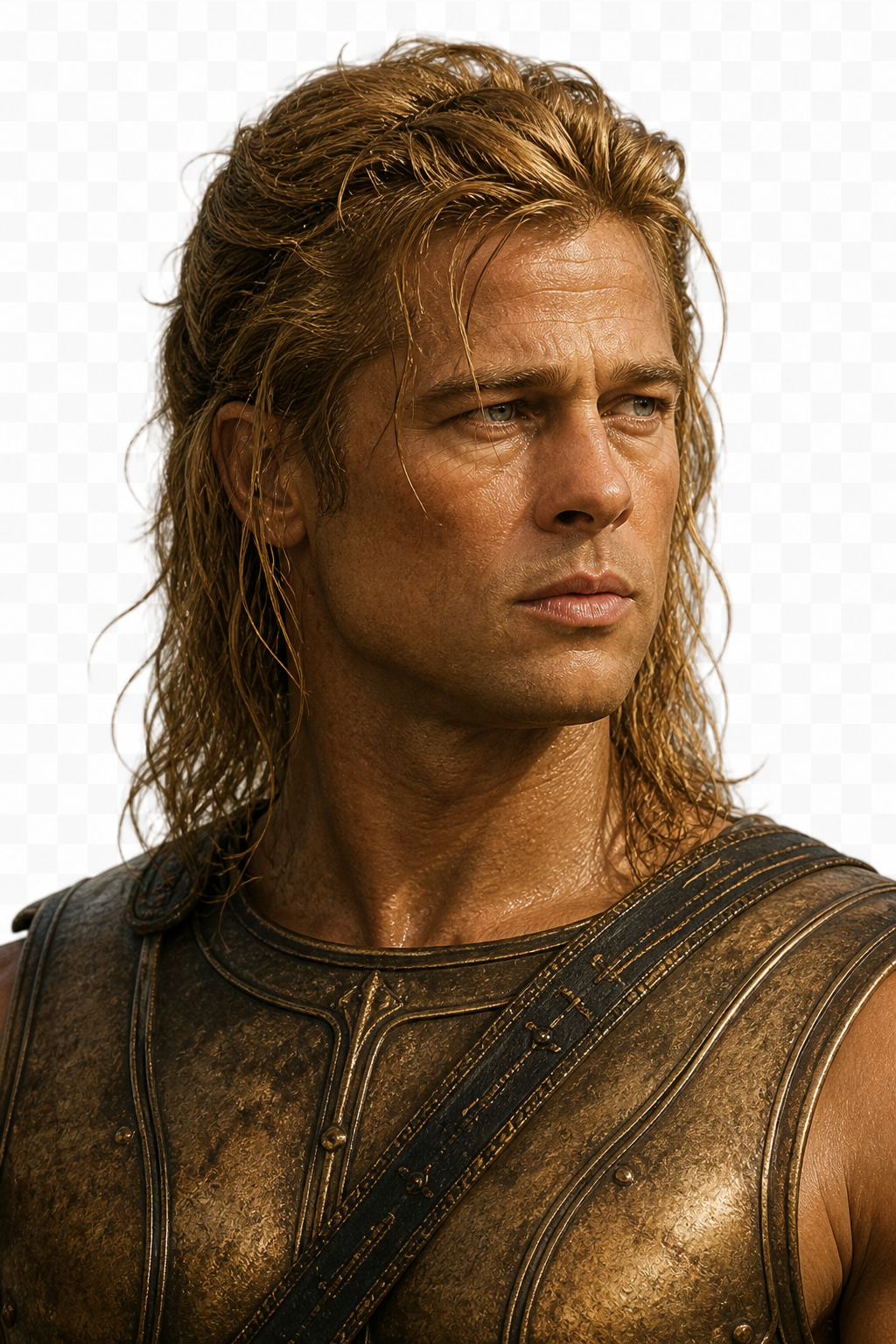
Achilles stands as the most formidable warrior of the Greek forces during the Trojan War, a central figure in Homer's Iliad whose name became synonymous with peerless combat skill and tragic vulnerability. Born to the Nereid Thetis and King Peleus, he was gifted with near-invincibility, save for his heel. In historical and archaeological contexts, Achilles represents the Mycenaean heroic ideal—a period characterized by bronze weaponry and chariots. His rage against King Agamemnon and his eventual return to battle to avenge Patroclus define the dual nature of the Greek hero: seeking eternal glory through 'kleos' while facing an inevitable early death. Visually, he is often depicted with a crested Corinthian helmet and a circular shield, embodying the peak of Hellenic martial prowess and the raw, untamed spirit of the ancient Greek soldier.
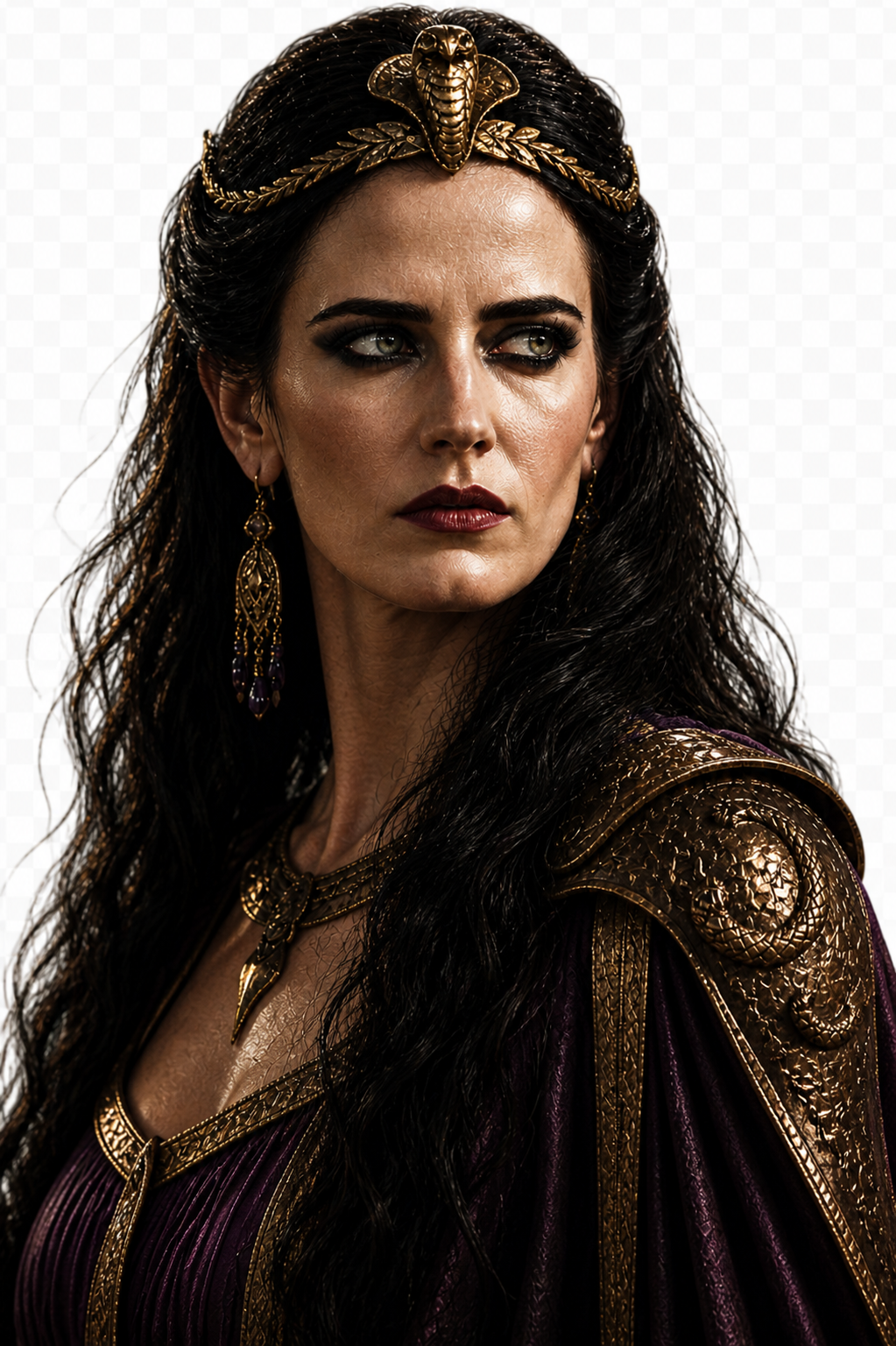
Artemisia I of Caria was a Greek queen of Halicarnassus who fought as an ally of the Persian King Xerxes during the second Persian invasion of Greece. She was the only female commander in the Persian fleet and was highly praised by Herodotus for her decisiveness and strategic cunning. During the Battle of Salamis in 480 BCE, she famously outmaneuvered her pursuers, prompting Xerxes to remark that his men had become women and his women had become men. Her character represents the complex intersection of Greek and Persian cultures in the satrapies of Asia Minor. As a leader, she was known for her intelligence, providing Xerxes with council that was often more practical than that of his male generals, making her a unique symbol of female authority in the ancient Mediterranean world.
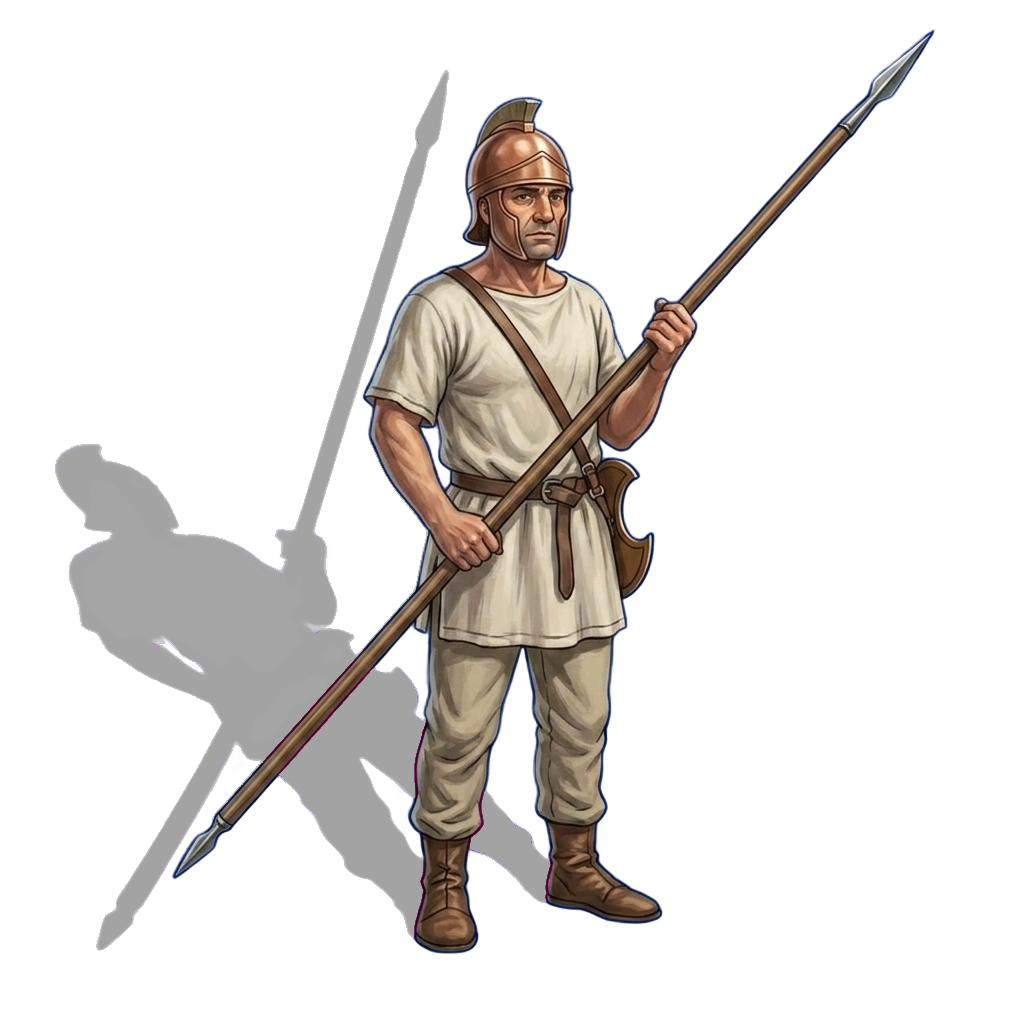
Skill bonus do hoplitow
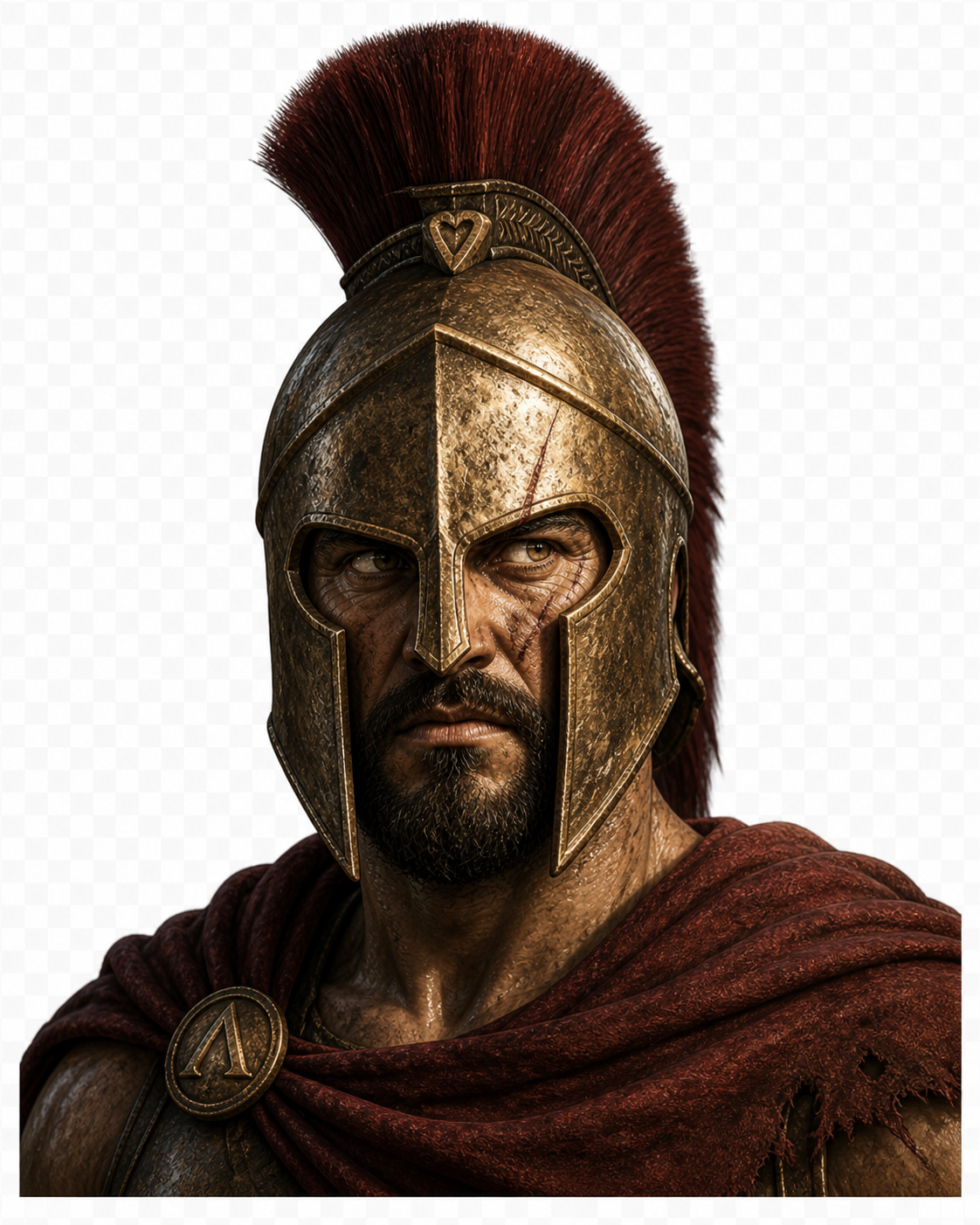
Leonidas I was the Agiad King of Sparta whose sacrifice at the Battle of Thermopylae in 480 BCE became one of history's most enduring symbols of courage and defiance. Leading a small force of 300 Spartans and a few thousand allies against the massive invading army of the Persian Empire under Xerxes, Leonidas chose to stay and fight to the death to cover the retreat of the Greek fleet. His actions provided the Greek city-states with the critical time needed to organize their defense. Historically, Leonidas represents the pinnacle of Spartan discipline and the 'Agoge' training system. He is traditionally depicted with a heavy bronze 'aspis' shield and a transverse-crested helmet, embodying the stoic resolve of a king who prioritized his city's freedom over his own life.
Skill +10% recruited fallen basic units after winning a PvP battle
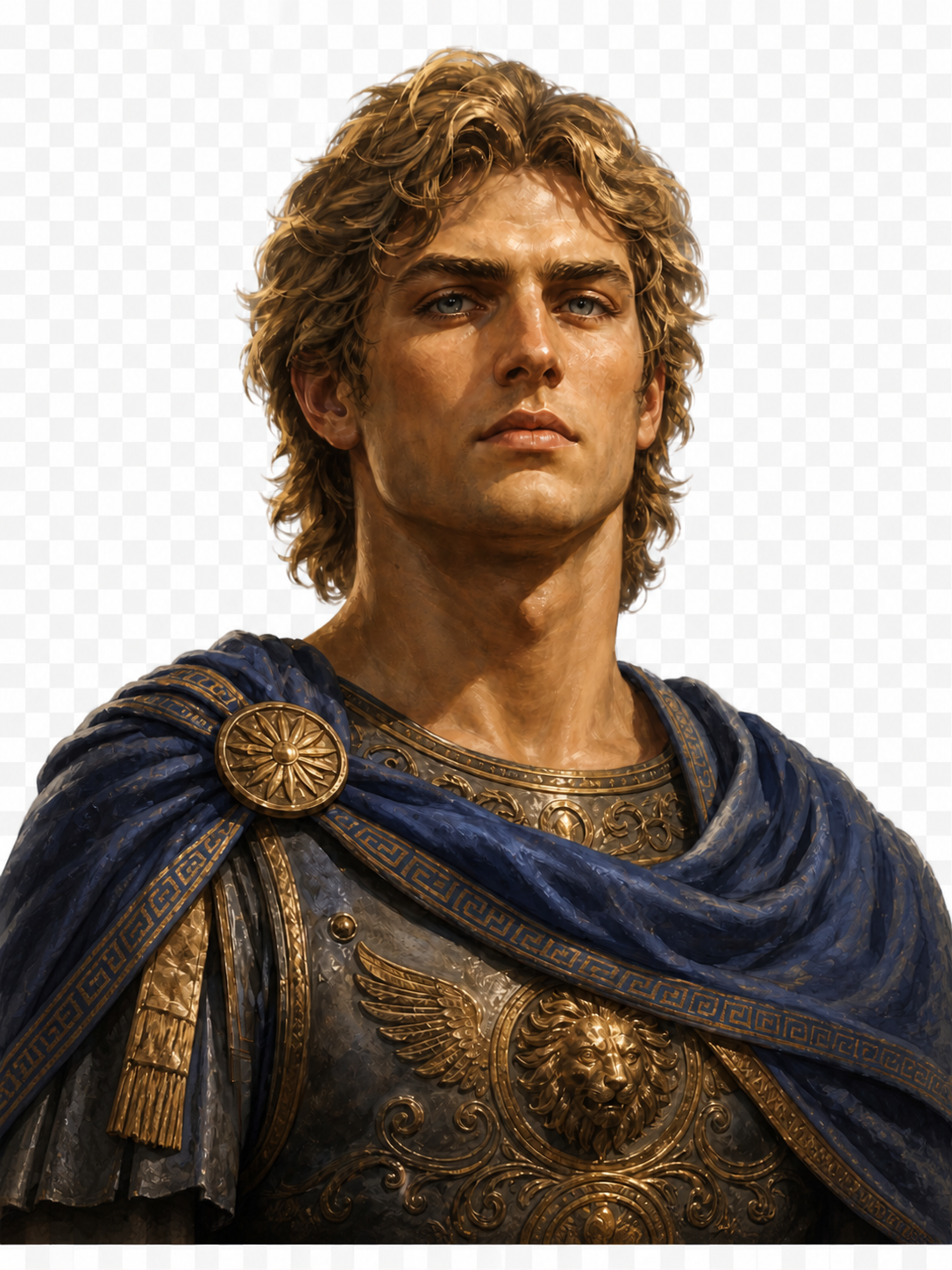
Alexander III of Macedon, known as Alexander the Great, was a king of the ancient Greek kingdom of Macedon who created one of the largest empires in history by the age of thirty. A student of Aristotle, he combined intellectual curiosity with unprecedented military genius, undefeated in battle from the Danube to the Indus. His conquest of the Persian Empire led to the Hellenistic Age, a period where Greek culture, language, and thought blended with Eastern traditions. Alexander’s legacy is visible in the dozens of cities he founded, most notably Alexandria in Egypt. Visually, he is characterized by his 'anastole' hairstyle and intense, visionary gaze. He remains the archetypal conqueror, inspiring generations of leaders and generals with his dream of a unified world and his relentless pursuit of the edges of the known earth.
Skill bonus do falangi
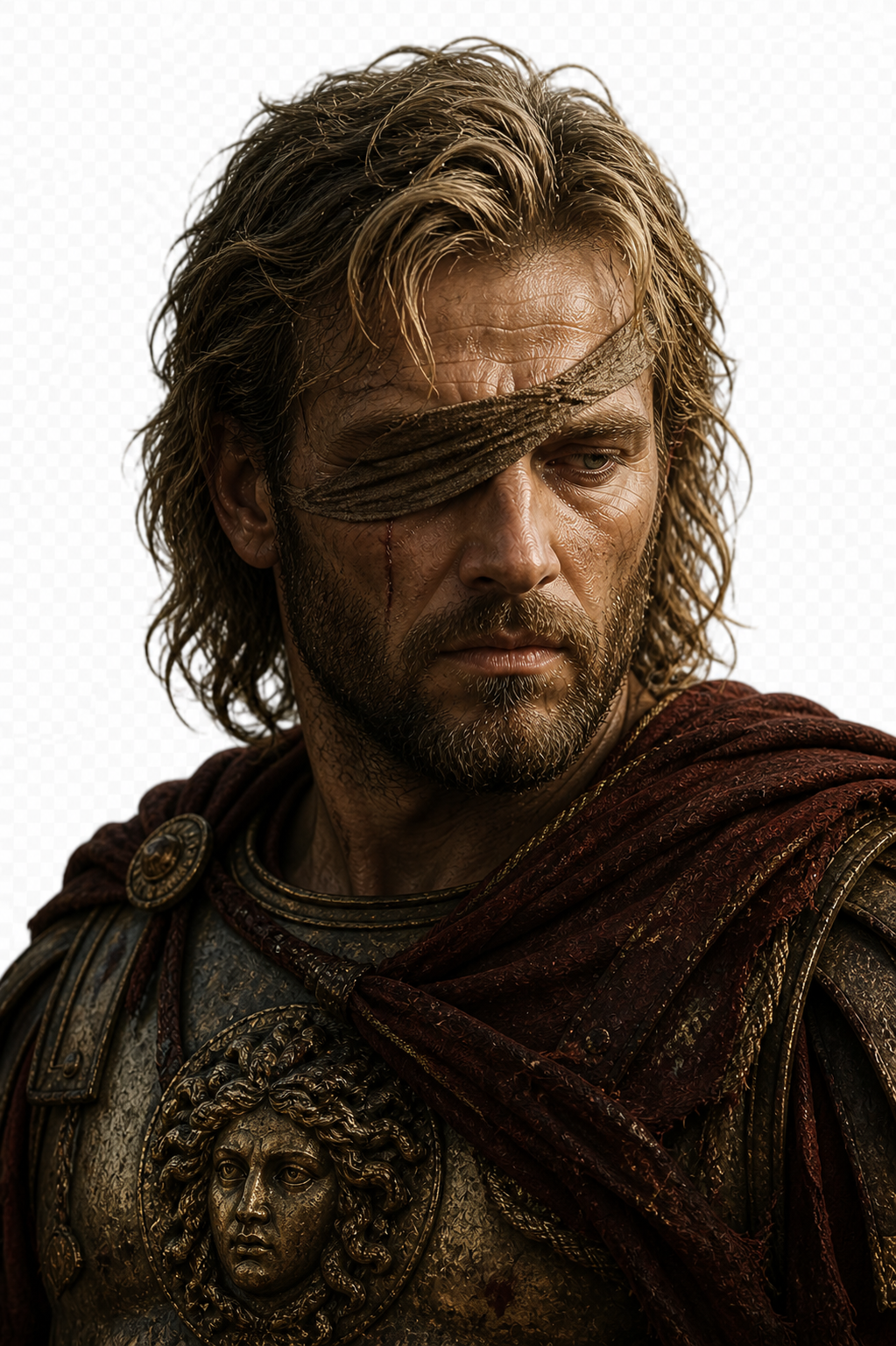
Philip II of Macedon was the visionary king who transformed a fractured Macedonia into the dominant power of the Greek world, setting the stage for his son Alexander’s later conquests. He revolutionized ancient warfare by introducing the Macedonian phalanx, armed with the long 'sarissa' pike, and perfecting the use of heavy cavalry. Despite losing an eye and sustaining numerous injuries in battle, Philip was a master of both military strategy and deceptive diplomacy. He unified Greece under the League of Corinth, ostensibly to wage war against Persia. His portrayal often highlights his rugged, battle-scarred appearance and the loss of his right eye, symbolizing a ruler who built his empire through blood, sweat, and tireless political maneuvering. He was a pragmatic and often brutal leader who secured the foundations of the Hellenistic era.
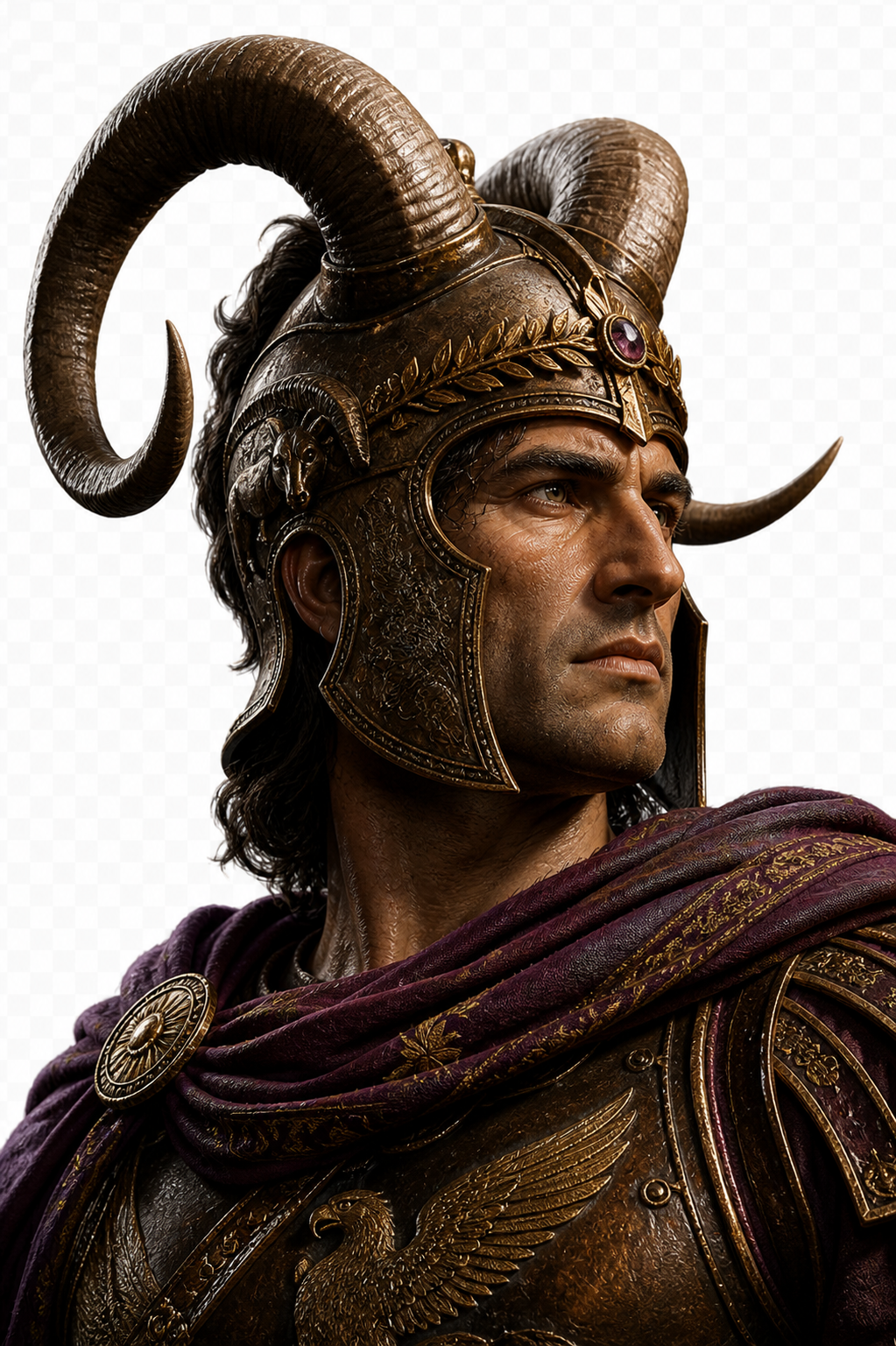
Pyrrhus of Epirus was a Greek king and statesman who became one of the most formidable opponents of the early Roman Republic. A cousin of Alexander the Great, Pyrrhus was a brilliant tactician who introduced war elephants to the Italian peninsula. He is best known for the term 'Pyrrhic victory,' following his costly successes at Heraclea and Asculum, where his losses were so great that they precluded ultimate victory. Hannibal Barca reportedly considered him the greatest general the world had ever seen, after Alexander. Pyrrhus represents the restless ambition of the Hellenistic successor kings, constantly seeking glory across the Mediterranean. In art, he is often shown wearing a magnificent helmet adorned with goat horns, reflecting his status as the 'Eagle' of Epirus and his reputation as a restless, wandering warrior-king.
 1
1 2
2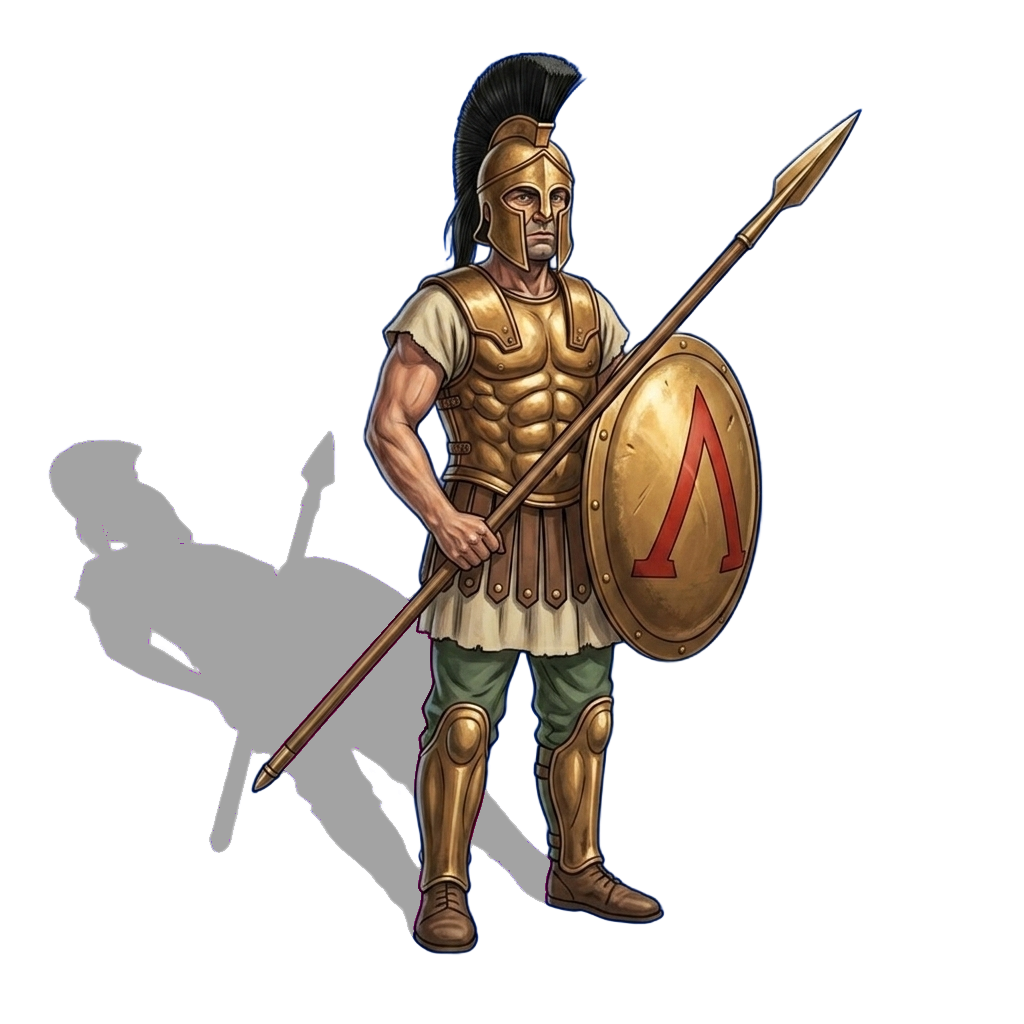
 1
1
 1
1 1
1